Electricity distribution operators
See the risk inside a substation without driving to it.
Substations and field panels across a distribution network are spread over a wide geography, unstaffed, and usually outside the corporate network. A panel fire is not only equipment loss — it is outage duration, customer impact and regulatory reporting.
Contact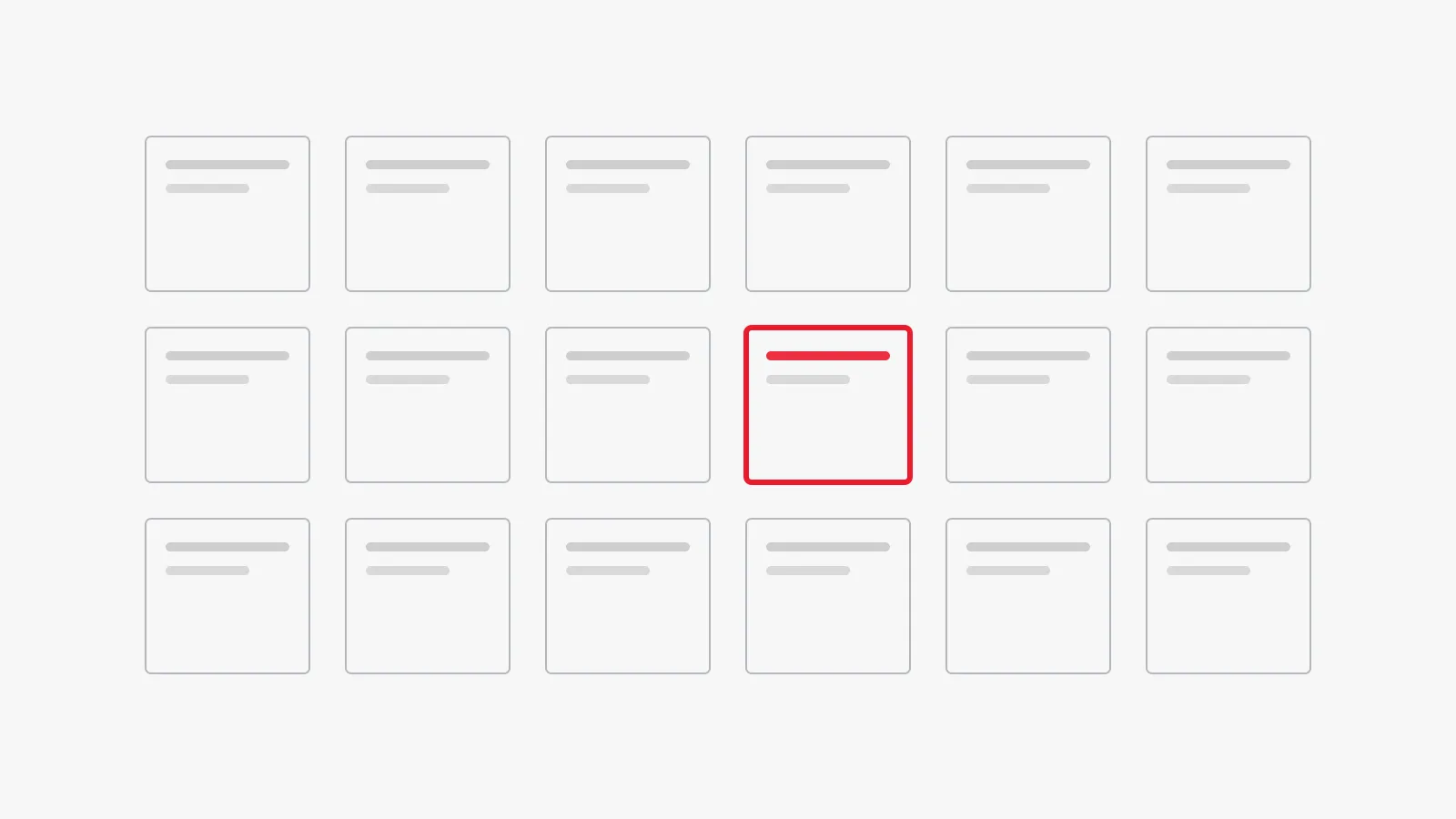
What risk looks like on a distribution network
A distribution operator’s asset inventory runs to hundreds — sometimes thousands — of substations and field panels. What they have in common is that they are unstaffed and their periodic maintenance intervals are long. A loosening terminal or rising contact resistance can progress quietly through the months between two maintenance visits.
The consequence is not only technical: a panel fire turns into outage duration, a count of affected customers, and a regulatory report.
Framing the investment
The decision is not weighed against the cost of a single device, but against the cost of the event avoided. One fire prevented in one substation is the sum of equipment replacement, emergency call-out, outage and reputational cost.
Cortex makes that comparison easier in two ways. First, because installation is done live, the commissioning process itself carries no outage cost. Second, no new cabling network is needed as monitoring infrastructure — sites connect over cellular or LoRaWAN.
Visibility at fleet scale
The risk score of a single panel produces a work order. The risk scores of hundreds of panels produce a priority list: Cortex Cloud compares trends across the fleet to show which assets stand out and where limited maintenance resource should be directed.
Recommended product combination
- ARF-005ArcFire SenseA multi-channel gas, thermal and electrical signature probe for electrical panels.
- CTX-IQ-100IQ PanelThe edge controller that hosts the Cortex platform's embedded AI inference engine.
- CM-L300LoRaWAN ModuleA long-range, low-power communication module for wide-area field topologies.
- CM-G200Cellular GSM ModuleAn LPWAN-class cellular (GSM) communication module for the IQ Panel.
Frequently asked questions
What is the installation and maintenance burden at unstaffed substations?
Probes are installed without cutting power and commissioning does not halt supply. Because firmware and model files are updated over the network, no routine site visit is required.
How is communication cost managed across hundreds of points?
Where points are spread over a wide geography, the LoRaWAN Module (CM-L300) is the fit: a single gateway provides kilometre-scale coverage and the cost per node falls markedly against a cellular subscription model as the number of points grows. At critical points needing full-resolution telemetry, the cellular module is used. Both models can run side by side in the same fleet.
Does our existing SCADA investment become worthless?
No. Cortex connects to your existing SCADA system through a Modbus TCP register map; Modbus RTU and MQTT/TLS are also supported. No middleware layer is needed, and every probe type reports into a single register model.
Is the site unprotected when the link drops?
No. Risk scoring and alarm generation run at the edge on the IQ Panel; a communication outage does not stop an alarm. Dry-contact relay outputs can drive line-disconnect and warning circuits independently of connectivity.